Navigating Refuse Truck Body Selection for Route Optimization
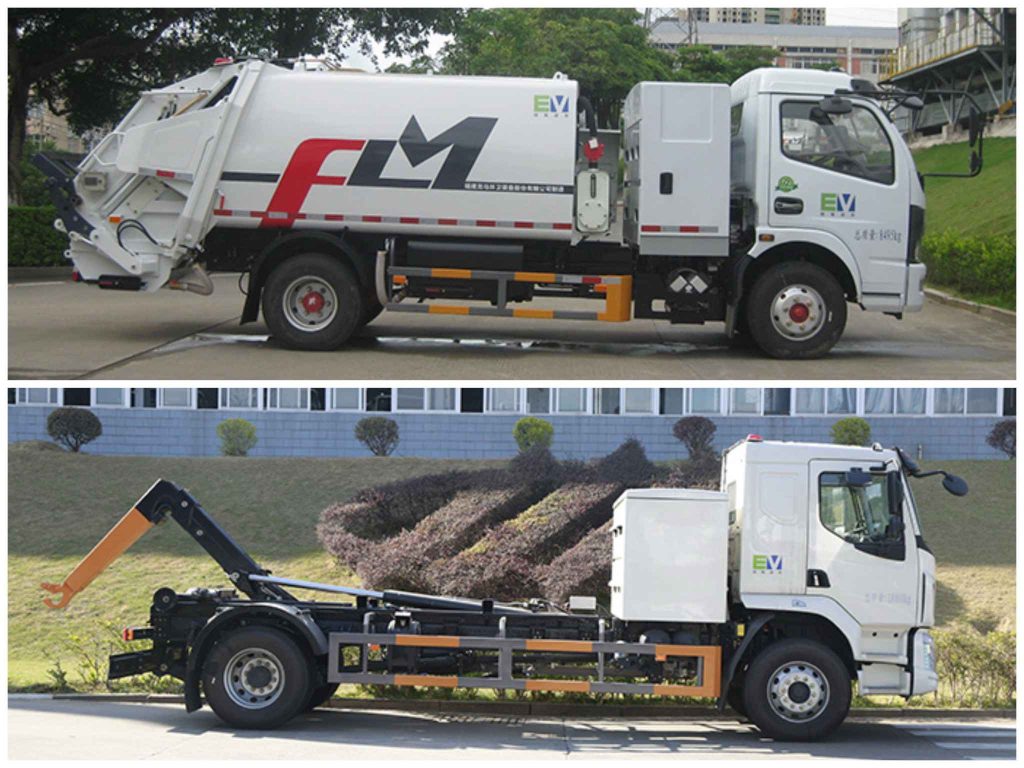
Selecting the correct sanitation vehicle configuration is a foundational decision for municipal fleet directors and private waste contractors. Choosing between a rear loader garbage truck and a hook lift garbage truck directly dictates municipal waste collection efficiency, operating expenses, and overall fleet productivity.
Strategic Route Density Alignment
Analysis of the density of waste collection routes enables management to enhance garbage truck route optimization and optimize the daily tonnage capacity of waste collection.
- Density Analysis: The density of waste collection routes involves closely located points of collection that produce small or medium amounts of waste at short intervals.
- Logistics: Low-density collection routes have widely spaced stops, such as industrial sites or bulk collection points that need large containers.
- Effect on Efficiency: It is necessary to match vehicle operation with the distribution of waste in space for efficient garbage truck route optimization.
- Market Position: FULONGMAhas the advantage of beinga leading sanitation equipment manufacturer listed on the Shanghai Stock Exchange (603686), with a comprehensive product portfolio covering refuse collection, EV sanitation, road cleaning, and waste transfer & disposal equipment.
High-Density Waste Collection Routes: The Power of Rear Loader Compactor Trucks
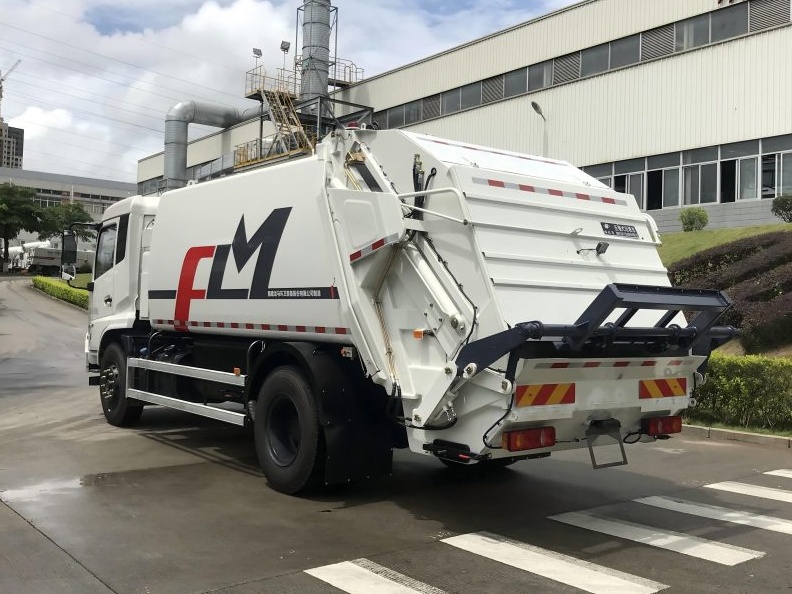
In dense urban neighborhoods, apartment complexes, and high-rise residential zones, municipal waste collection efficiency relies on continuous loading speed and maximum volume reduction. A dedicated rear-loading compactor truck excels in these environments by consolidating loose domestic waste on the go.
Operational Dynamics of Rear Loading Compactor Trucks
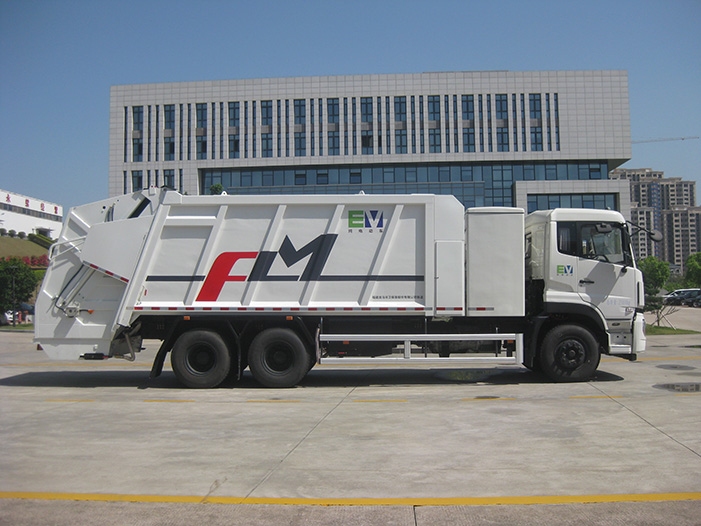
The core engineering benefit associated with rear loader garbage trucks is the use of an integrated hydraulic compactor and compaction mechanism with packer and push plates that compress the waste material into a payload body.
- High Compaction Ratio: FULONGMA rear loader compactor trucks achieve a compacted refuse density of 0.65 to 0.8 tonnes per cubic metre4:1 that makes the volume of collected waste substantially smaller.
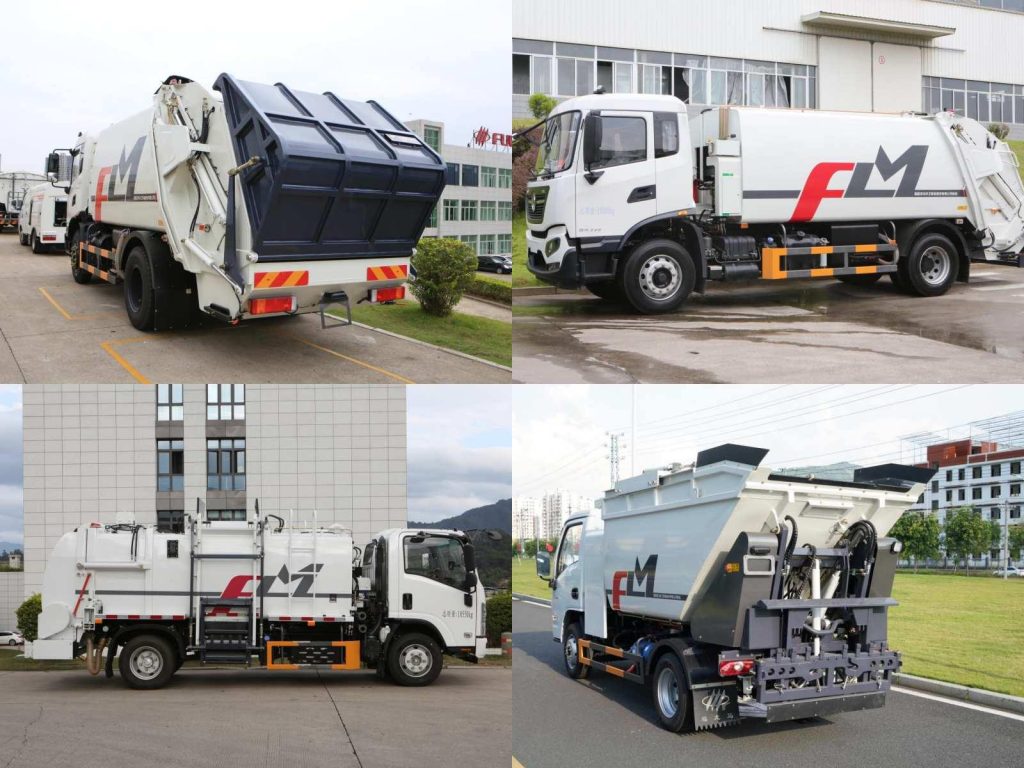
- Product Range: Such heavy-duty refuse compactor trucks as diesel FLM5180ZYSDF6K (12.5 m³ body and 905 L leachate tank) and electrically powered FLM5250ZYSDFBEV(20.0 m³ body and 1140 L leachate tank) can carry the maximum load of waste material on a long residential route.
- Advanced Mechanical System: Featuring two-way compression technology, all rear loader compactor trucks deliver increased compression force per unit of surface area and ensure durability.
- Leachate Management: Multi-tank leachate collection systems with adjustable tailgate seals, helps avoid secondary pollution from leaking liquids.
Application Scenarios in Dense Urban Settings
Truck bodies for rear-loading compactors are designed to deal with waste collection on the high-density route, where stop-and-go waste collection cannot be avoided.
- Urban Residential Routes: Electric municipal waste collection trucks such as FLM5080ZYSDGBEV (with a capacity of 6.5 cubic meters for waste collection using 162.28 kWh batteries) move easily around urban residential neighborhoods.
- Versatility for Handling Multiple Bins: Built-in systems for handling bins collect waste from different containers of 240L, 330L, and 660L sizes in stop-and-go operations.
- Silent Night Collection: With significantly lower operating noise than diesel models,zero emission rear loading garbage trucks are great at performing morning or nighttime operations in the city without disturbing people.
Low-Density & Commercial Routes: The Versatility of Hook-Lift Roll-Off Systems
In situations where the sources of waste disposal are scattered over areas outside the main city center or create sudden surges in commercial waste, having the compaction garbage truck visit each stop individually becomes impractical. In the case of low-density waste collection routes, a garbage truck with a detachable container is the most flexible one to use. This is because, unlike rear loaders, a roll-off garbage truck can move interchangeable containers between various waste pickup spots.
Mechanics & Efficiency of Detachable Container Garbage Trucks
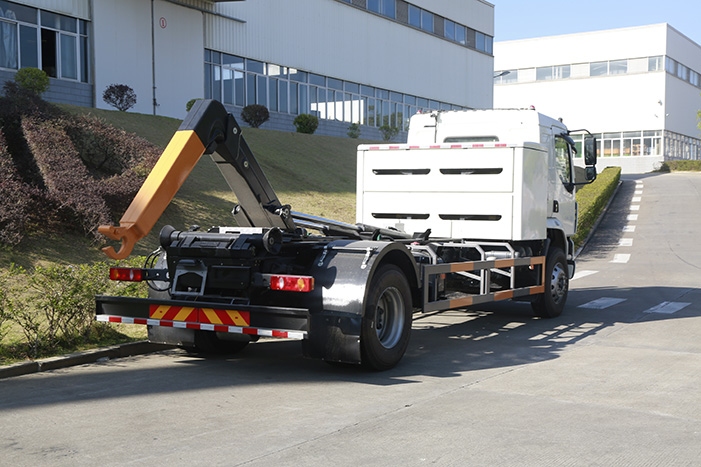
The hook lift garbage truck makes use of the hydraulic hook arm system to load, transport, and unload mobile roll-off garbage containers.
- One-Truck Multiple-Containers Approach: A single hook lift garbage truck chassis serves many stationary containers, making the loading time independent of the travel time of the vehicle.
- Heavy Tonnage Ranges: The chassis available includes light-duty trucks such as the FLM5070ZXXDG6 (1.5 ton lifting capacity) and heavy-duty trucks like the 4-axle FLM5310ZXXDF6 (20/26 ton lifting capacity).
- Electric Transfer: Purely electric garbage trucks like the FLM5180ZXXDLBEV(14-ton lifting capacity, 218.54 kWh battery) offer clean and cost-effective transfer of garbage containers.
- Mobile Compactor Combination: The hook-lift truck can transport a compatible ZTX16 mobile compactor with a 16 m³ capacity and a 340 kN compaction force.
Application Scenarios for Roll Off Waste Collection
The roll-off waste collection truck architecture transforms regional waste logistics by separating container filling times from transit schedules.
- Commercial & Construction Hubs: Stationary roll-off waste collection containers accumulate bulky refuse over days at shopping centers, factories, and building sites before pickup.
- Regional Transfer Loops: Heavy hook arm units haul filled 20 m³ to 28 m³ roll-offcontainers—such as the FTX20AX and FTX28 series, paired with 20-ton and 26-ton hooklift trucks respectively—directly from suburban collection nodes to regional landfills.
- Leachate Containment in Transit: Fully enclosed mobile compactors with hydraulic double-lock tailgates prevent odor diffusion and liquid runoff during long-distance highway hauls.
Engineering Excellence & Global Lifetime Service Support
Sustained fleet profitability depends on intelligent human-machine control interfaces, corrosion-resistant body construction, and dependable global service support.
Smart Fleet Technologies & Sustainable Operations
The latest versions of municipal waste collection trucks come with electronic control systems to improve safety and performance.
- Intuitive Dual Controls: The driver controls the loading process using either the in-cab touch screen or weather-resistant external control box for increased safety.
- Weather-Resistant Steel: The truck body and container are made of Shanghai Baosteel B480GNQR high-strength, weather-resistant steel that is resistant to impact and corrosion.
- IoT Smart Sanitation: FULONGMA utilizes smart CAN-bus electronics and GPS fleet management to monitor vehicle performance, route optimization, and diagnostics.
Comprehensive Lifetime Service Framework
All municipal waste collection trucks are supported by a worldwide network of customer support services that will ensure your fleet of trucks will function without any breaks.
- 24/7 Technical Support: Round-the-clock emergency technical help that guarantees speedy troubleshooting and reduced fleet downtime.
- Distribution network covering the globe: Backed by our sales and service network presence in more than 20 countries, including Malaysia, Russia, Thailand, UAE, and Mexico.
- Authentic Spares & Training: Our factory-trained technicians offer preventive maintenance services, total body restoration, and timely delivery of authentic spares.
Drive Municipal Fleet Efficiency with FULONGMA
Optimizing refuse collection performance requires precise alignment between body mechanics and actual waste collection route density. Understanding the differences in a rear loader vs hook lift garbage truck helps fleet operators improve municipal waste collection efficiency while controlling operating costs. Whether your operations demand high-compression rear loaders for dense urban neighborhoods or versatile hook-lift roll-off systems for commercial routes, FULONGMA provides industry-leading equipment, intelligent control platforms, and comprehensive lifetime support. Contact our technical engineering team today to analyze your route profiles and build a customized, high-efficiency sanitation fleet.
FAQ
Q: How does waste collection route density influence the choice between a rear loader and a hook-lift garbage truck?
A: High-density routes demand rear loaders for continuous compaction along frequent stops, whereas low-density routes favor hook-lift trucks to swap stationary containers across scattered locations efficiently.
Q: What engineering features prevent liquid leakage during refuse compaction and transit?
A: Modern compactor bodies utilize enlarged sewage collection tanks, double-sealed tailgates with rubber gaskets, and anti-leakage trough designs to retain all wastewater.
Q: When can a hook-lift system be useful on a route with closely spaced collection stops?
A: Yes, hook-lift trucks can pick up and transport heavy mobile garbage compactors, combining detachable container flexibility with powerful hydraulic compaction.
Q: What are the primary operational cost benefits of switching to pure electric garbage trucks?
A: Pure electric refuse trucks can reduce energy costs by more than 50% compared to equivalent diesel models, depending on local electricity and fuel prices. They also eliminate diesel engine maintenance costs and operate more quietly in residential areas.