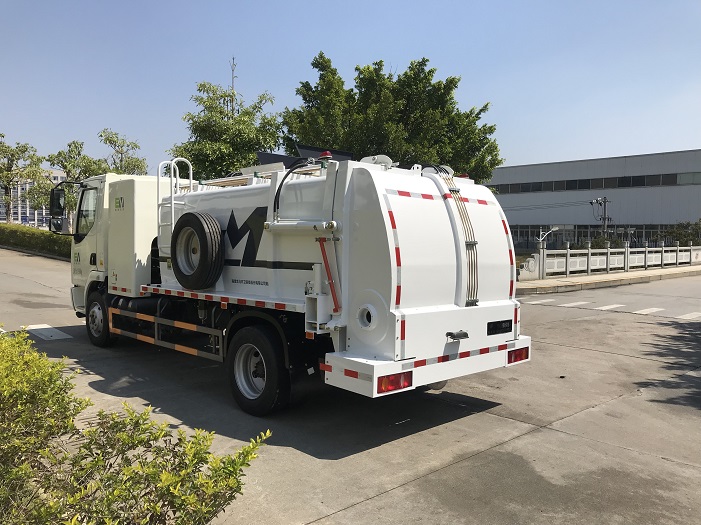
A wet waste collection truck should be chosen based on containment, loading cycle, leachate control, and route conditions rather than body volume alone. For restaurants, hotels, hospitals, canteens, and dense residential districts, the right vehicle must move high-moisture waste without turning each collection stop into a leakage, odors, or cleaning problem. FULONGMA provides battery-electric options for this more demanding sanitation task.
Why Wet Waste Needs a Specialized Collection Truck
Moisture, odors, and Route Control
Food scraps, discarded produce, and kitchen residues behave differently from dry household waste. They contain free liquid, compact quickly, and can generate odors when collection and transfer take too long. A food waste collection truck therefore needs a sealed body, controlled drainage, and a cleaning routine that keeps liquid waste inside the vehicle throughout the route.
This matters most where collection points sit close to shops, apartment entrances, schools, or medical facilities. A vehicle that manages only solid loading may still leave contaminated pavement behind. A properly designed wet waste vehicle treats the tank, filtration path, sewage tank, rear door, and unloading process as one containment system.
Collection Points Require Flexible Loading
Urban wet waste is usually gathered from many small points rather than one large source. A route may include a hotel service entrance, a restaurant lane, a market edge, and several residential blocks within the same shift. Compatibility with standard 120L and 240L bins helps operators maintain a predictable loading cycle and reduces manual handling at the curb.
What to Evaluate in a Wet Waste Collection Truck
Vehicle Performance Factors
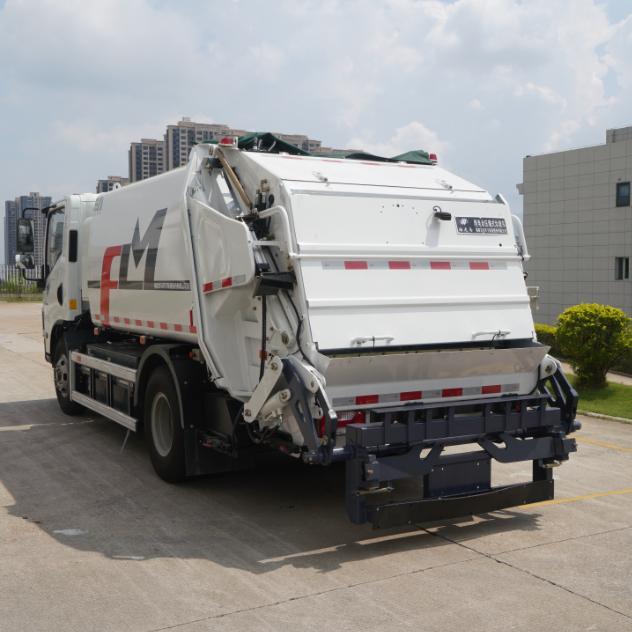
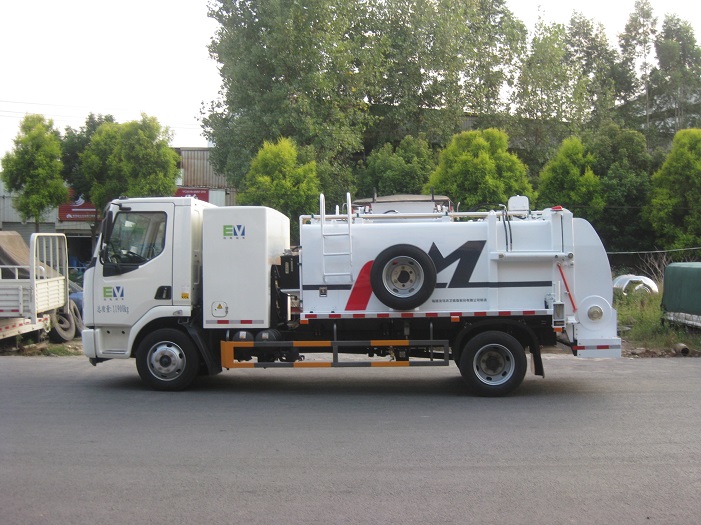
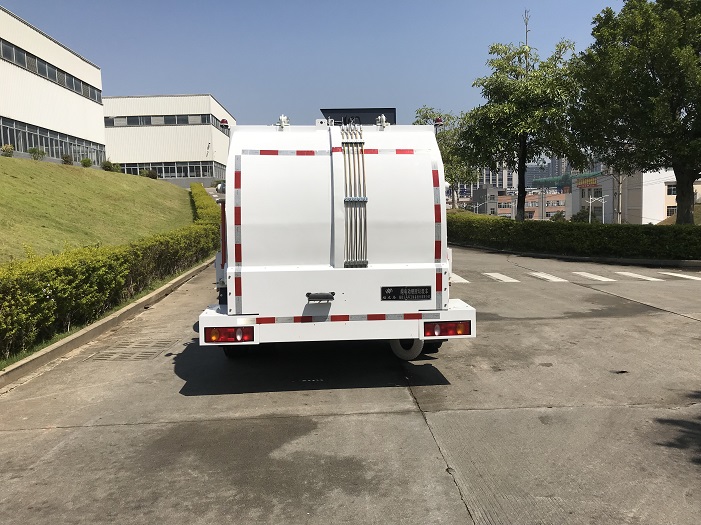
The first inspection point should be the path taken by liquid. Look for a wet waste collection truck with corrosion-resistant construction, a sealed rear door, sewage filtration, and dedicated sewage collection and discharge equipment. These details connect durability with route hygiene by giving operators a defined way to control leachate instead of allowing it to collect unpredictably in the body or on the road.
Bin Lifting and Loading Efficiency
Loading speed is not only a productivity consideration. It also affects how long bins remain open, how much material is exposed to heat, and how consistently the crew can keep a route moving. A lifting system for 120L and 240L bins creates a repeatable interface between collection points and the vehicle, which is especially useful for restaurant clusters and residential waste rooms.
Unloading and Vehicle Cleaning
The end of the route is another design test. Waste should be discharged in a controlled way, while the tank and liquid system should be accessible for rinsing and routine inspection.
When an Electric Wet Waste Collection Truck Makes Sense
Electric Route Conditions
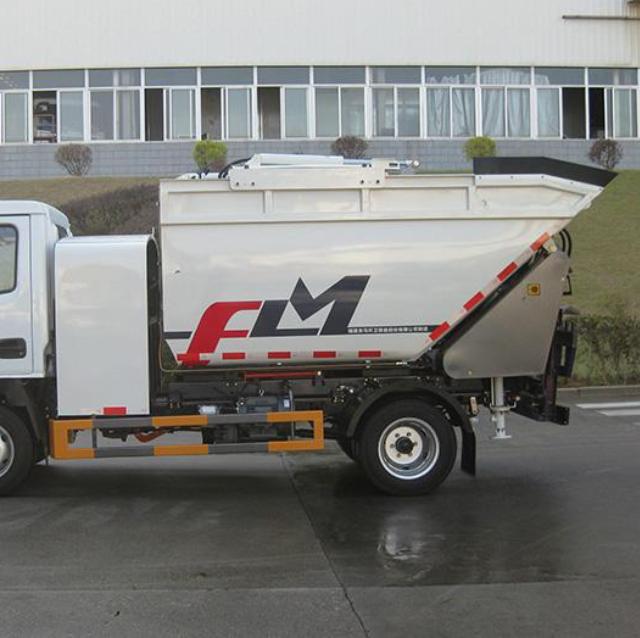
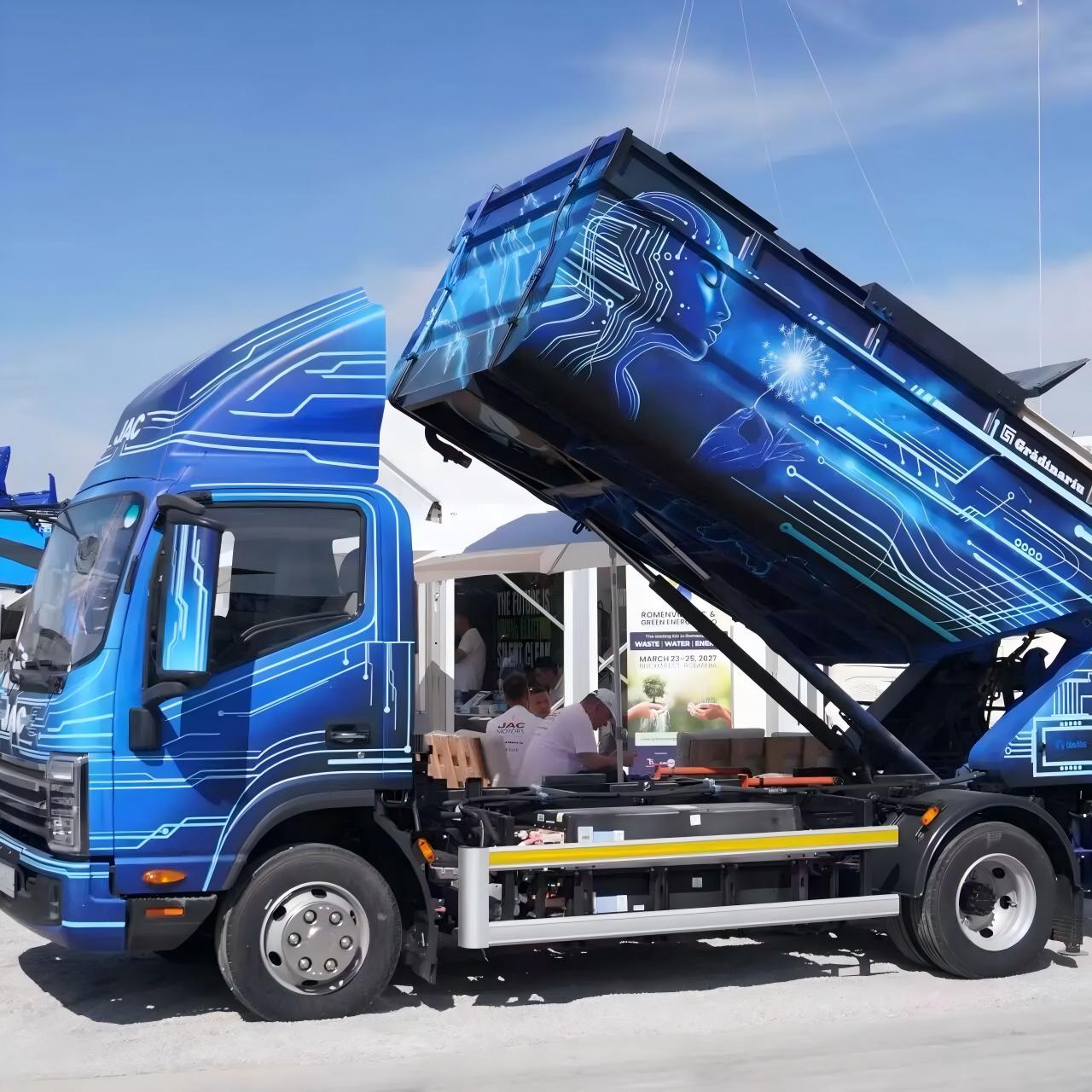
Battery-electric collection is particularly relevant when routes pass through residential streets, historic centers, or indoor-adjacent loading areas where exhaust and engine noise are unwelcome. The FULONGMA FLM5120TCADLBEV is presented as an electric wet waste collection truck with a 214.645 kWh battery, a 6.2+2.5 cubic meter container arrangement, and integrated liquid collection, discharge, and washing functions.
Match Battery Capacity to Route Design
The correct electric vehicle is determined by the whole route, not by battery capacity in isolation. Planners should map collection density, loading frequency, transfer distance, depot location, and charging access. The same vehicle may be a strong fit for dense short-stop work and a poor fit for a long rural transfer route if the daily operating pattern is not matched to its charging plan.
FULONGMA lists a loading cycle of no more than 22 seconds and an unloading cycle of no more than 65 seconds for the FLM5120TCADLBEV. The vehicle can also support 120L and 240L bins, preliminary solid-liquid separation, optional weighing, night work lighting, and a heated sewage tank option. These features give fleet planners more ways to adapt the vehicle to seasonal conditions and route supervision requirements.
FULONGMA Options for Different Wet Waste Routes
Electric Wet Waste Collection
For low-emission zones and routes scheduled near homes or commercial buildings, the FLM5120TCADLBEV brings the same sanitation priorities into a battery-electric format. The decision should consider charging management, daily route length, payload behavior, and the timing of transfer operations alongside the vehicle’s electrical configuration.
Connecting Collection with Waste Disposal
Collection is only one stage of the wet waste chain. Where a city or facility also needs treatment, FULONGMA offers kitchen waste disposal equipment associated with pressing and dewatering, oil-water separation, and aerobic biological treatment. Linking the collection vehicle with the downstream process can make the overall sanitation workflow easier to control, especially when liquid recovery and contamination management are important.
Conclusion
The best wet waste collection truck is the one that keeps liquid contained, loading predictable, unloading controlled, and the route suited to its energy and service conditions. FULONGMA gives municipalities, sanitation contractors, and facility operators battery-electric wet waste platform features aimed at sealed transport, standard-bin handling, leachate control, and cleaner downstream operations.
Ready to upgrade your fleet? Contact FULONGMA today to configure a battery-electric wet waste truck tailored to your exact route profile.
FAQ
Q: What is a wet waste collection truck used for?
A: A wet waste collection truck is designed for high-moisture organic waste from restaurants, hotels, canteens, hospitals, markets, and residential areas. Its sealed body, liquid collection system, and controlled unloading arrangement help reduce leakage, odors, and road contamination during collection and transport.
Q: How does a wet waste collection truck reduce leakage?
A: Leakage is reduced through a combination of sealed body construction, filtration, sewage collection, and controlled discharge. The vehicle should also be easy to wash and inspect. FULONGMA’s listed wet waste configurations include sealed rear doors and dedicated sewage-handling functions to keep liquid waste within the operating system.
Q: Can FULONGMA trucks lift standard 120L and 240L bins?
A: Yes. FULONGMA’s battery-electric wet waste collection configuration is compatible with 120L and 240L standard waste bins. This supports repeatable curbside or service-area loading across residential, commercial, and institutional collection points.
Q: When should a city consider an electric wet waste collection truck?
A: An electric wet waste collection truck is worth considering when routes operate near homes, low-emission zones, or sensitive commercial areas and the depot can support reliable charging. The decision should also account for route density, loading frequency, transfer distance, daily operating hours, and the vehicle’s available battery configuration.